COJOCKEY Project status
Research - R&D
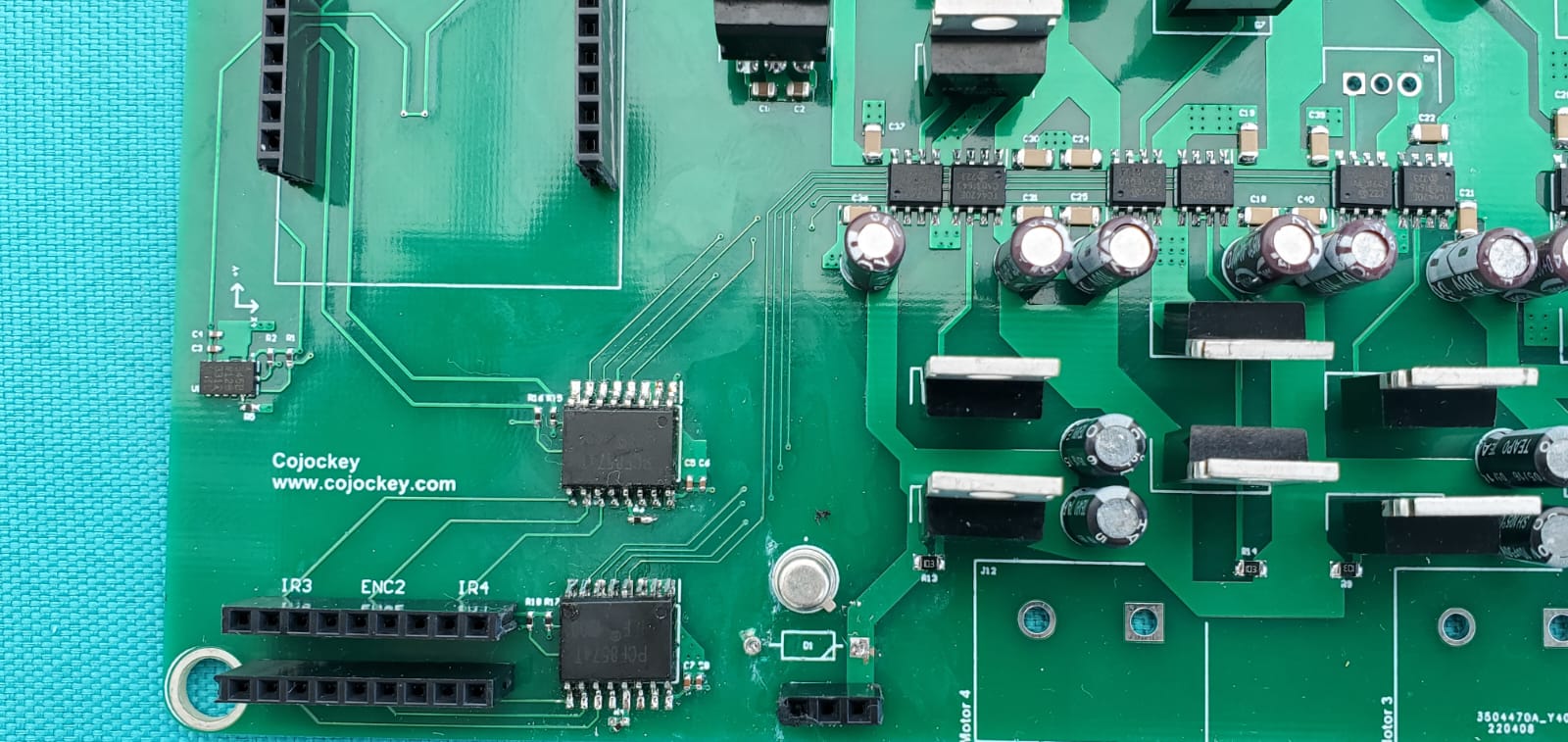
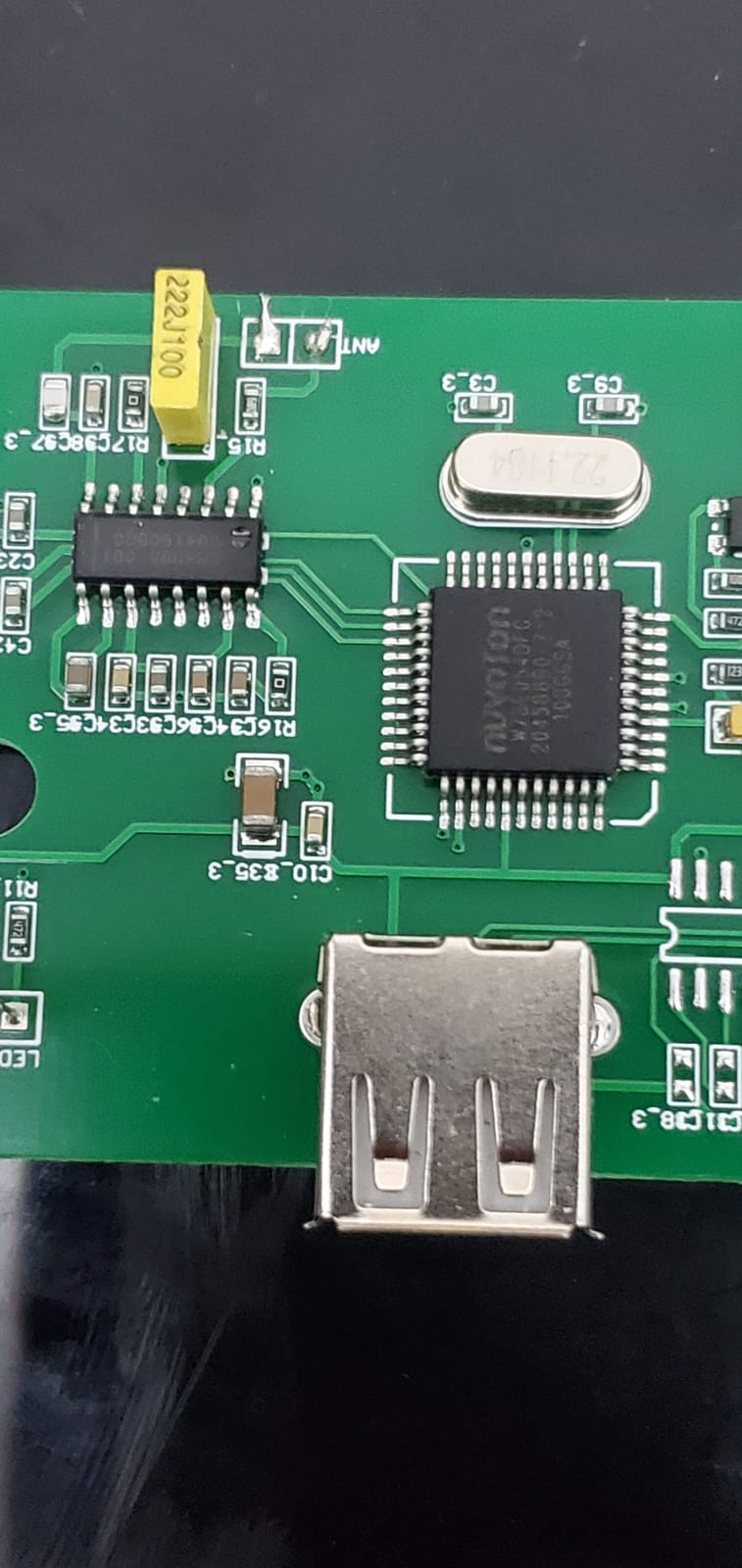
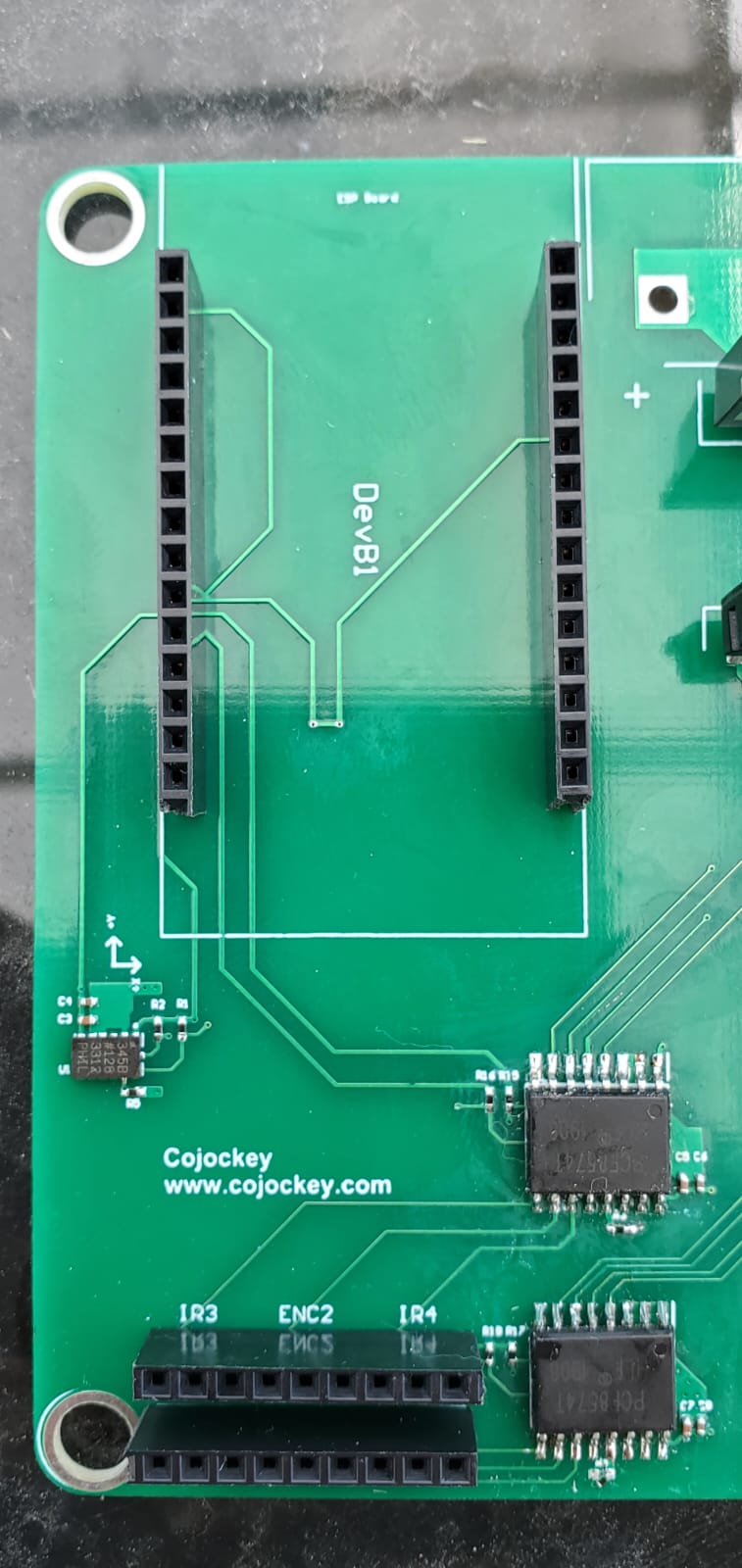
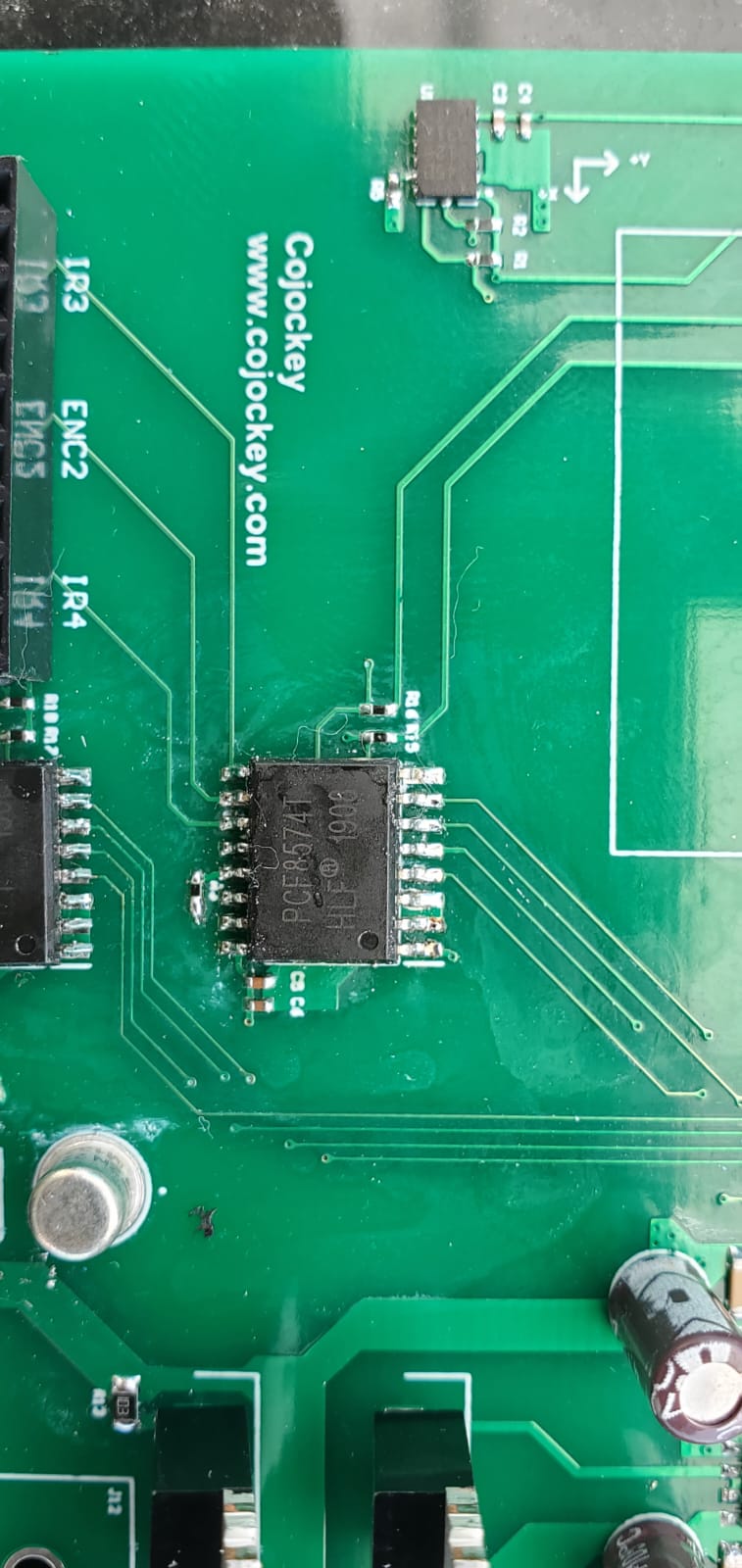
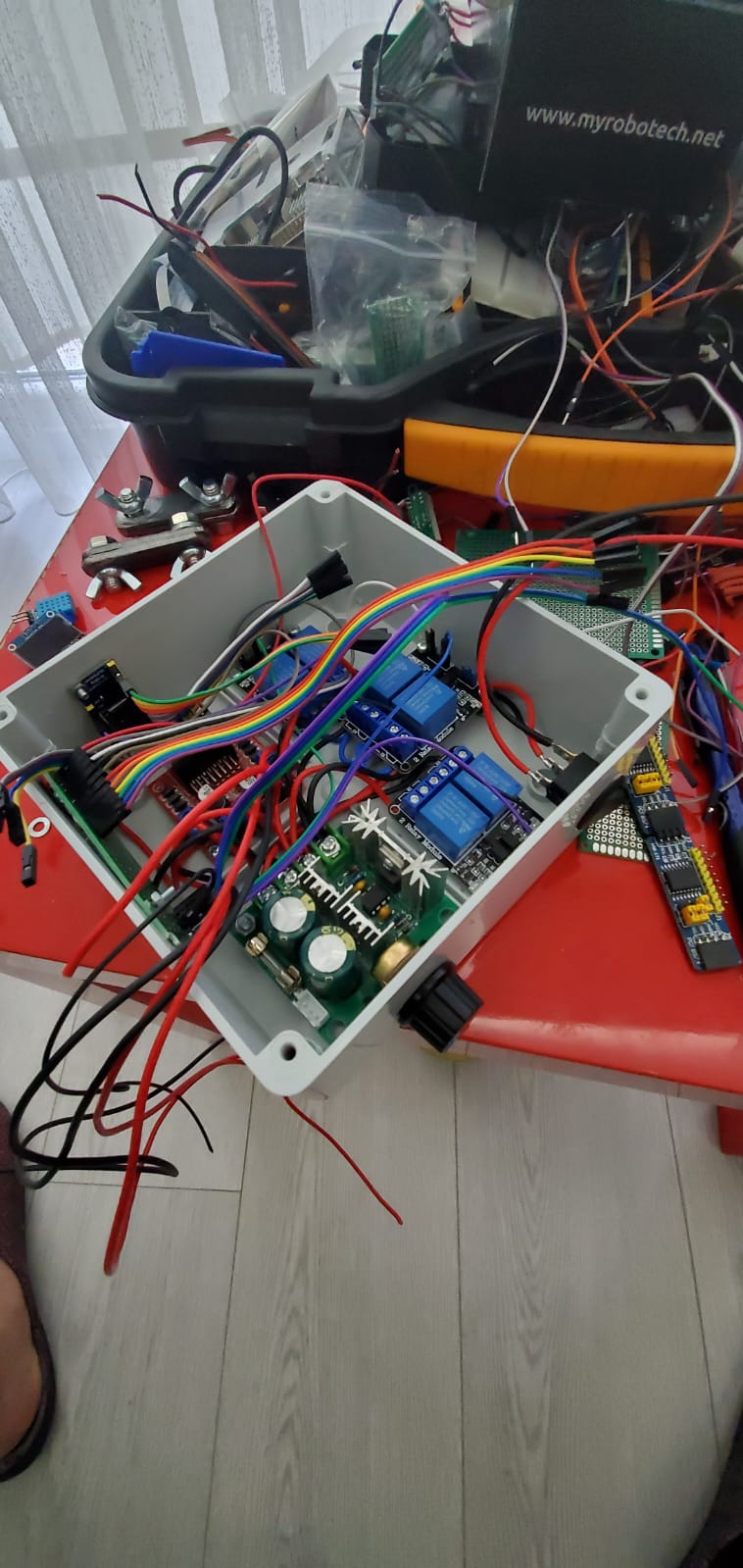
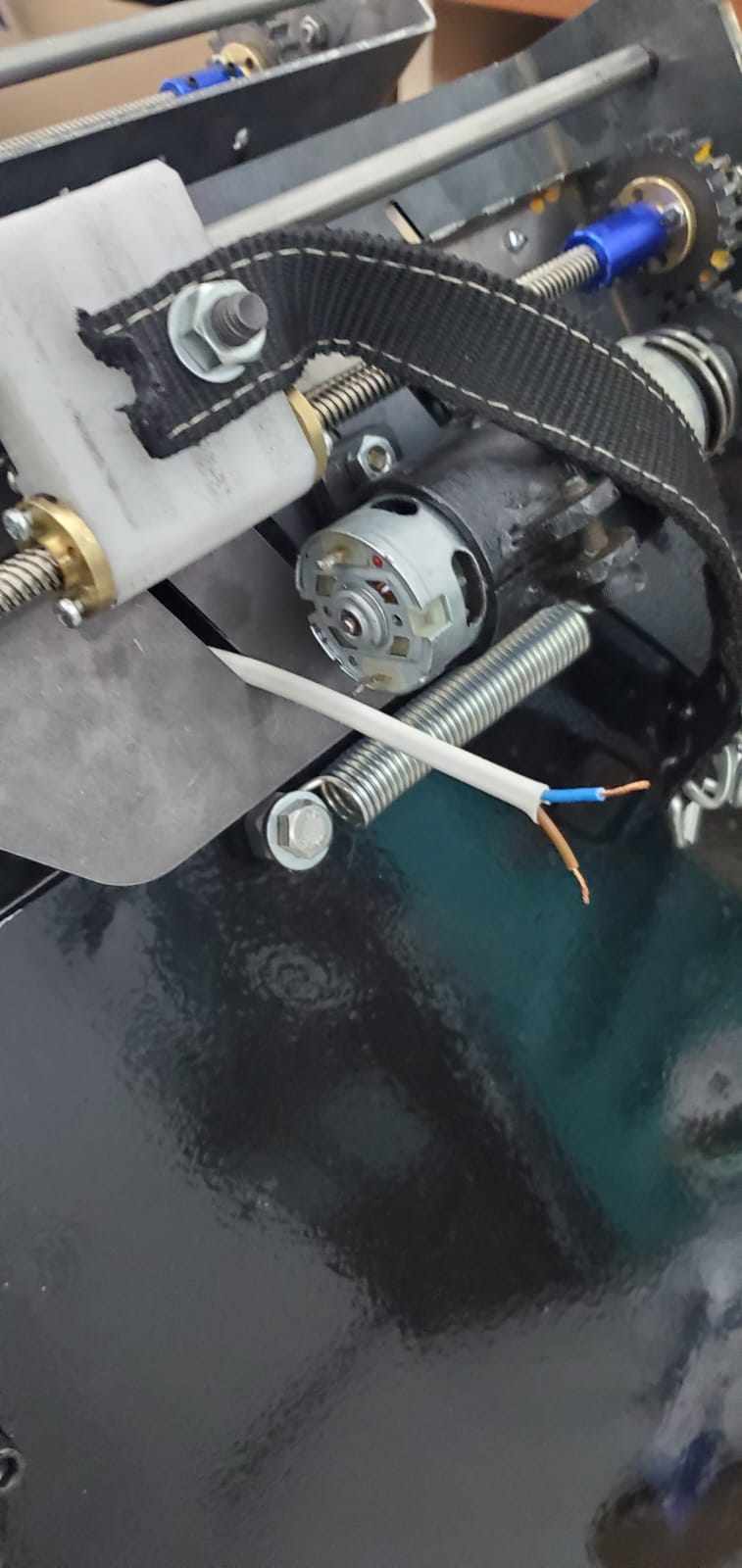
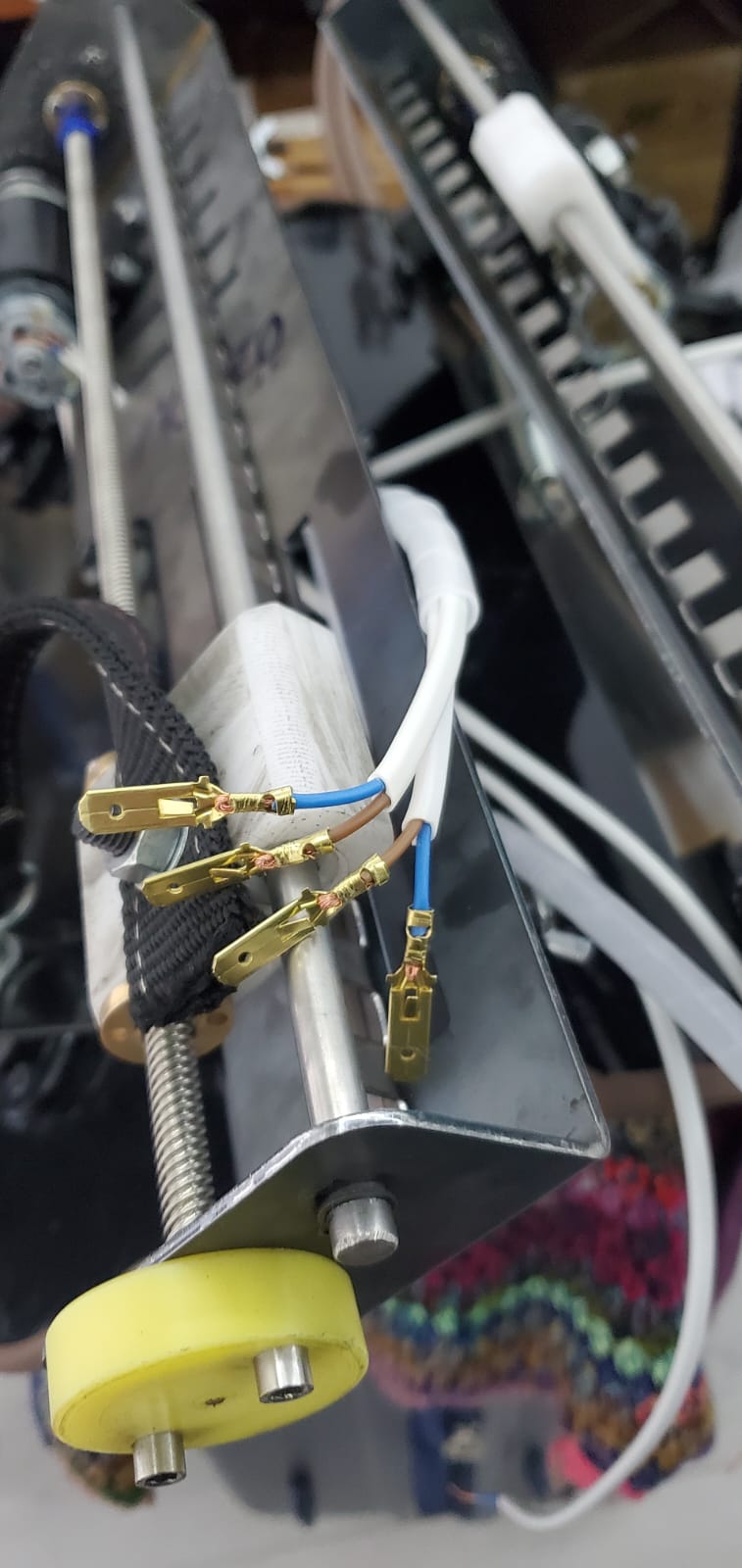
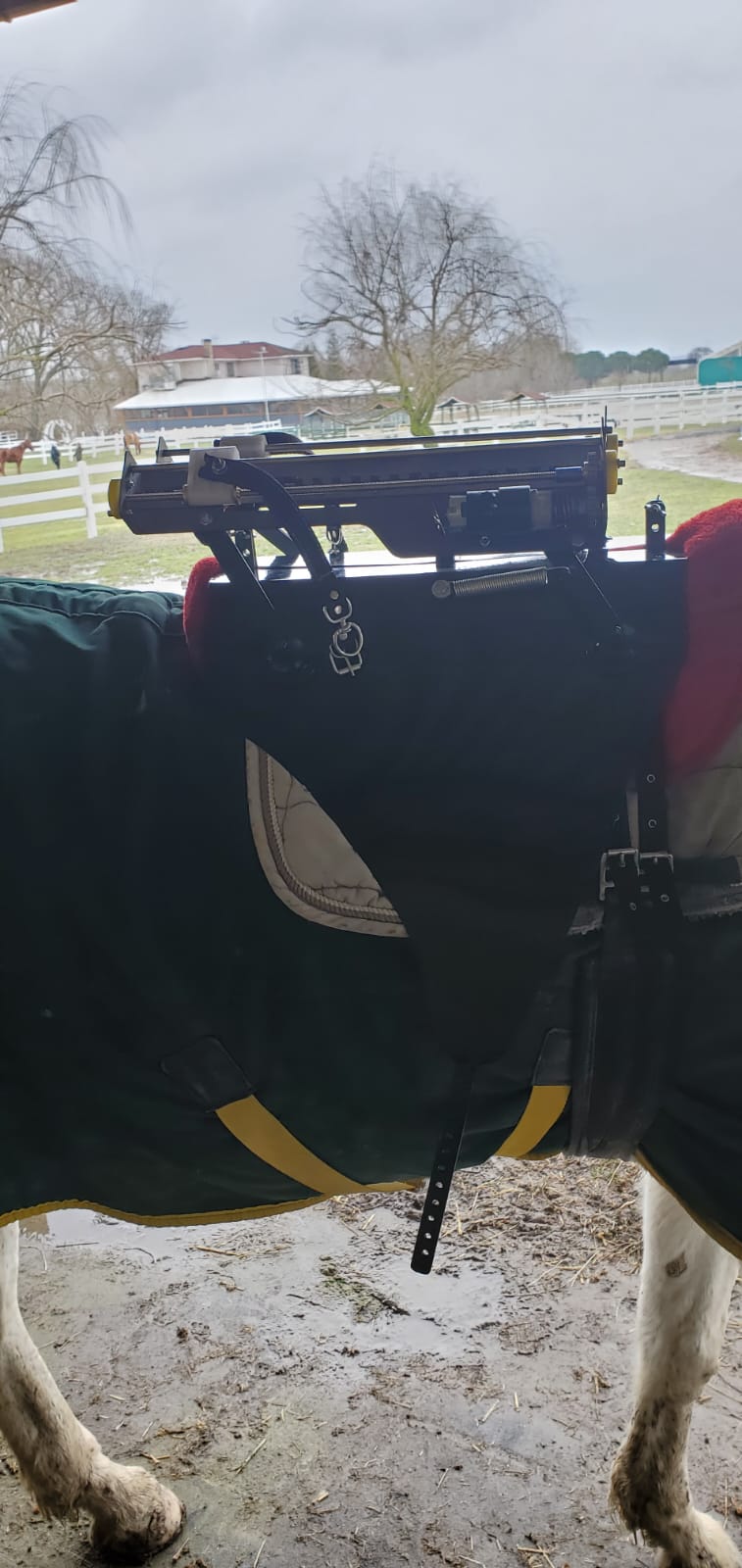
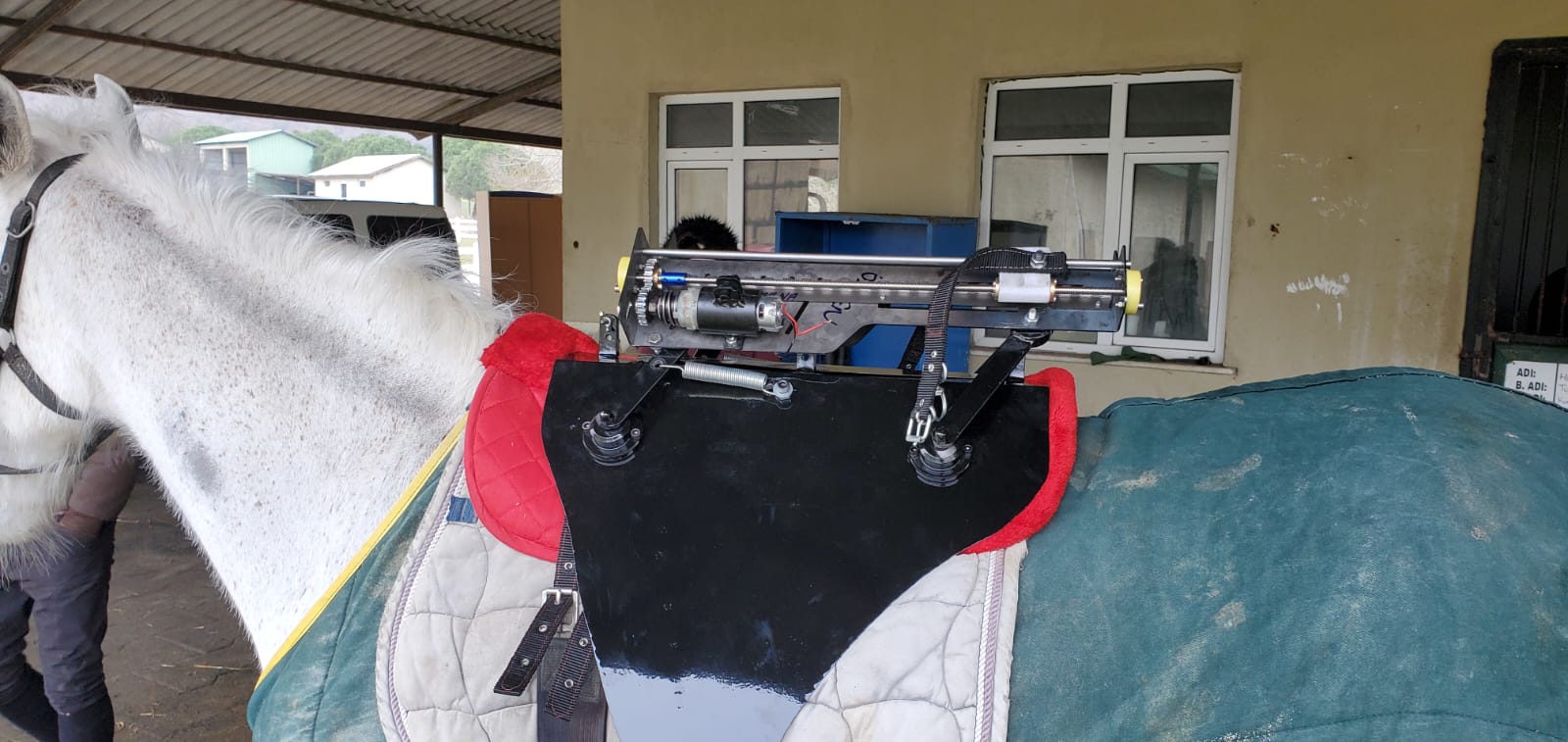
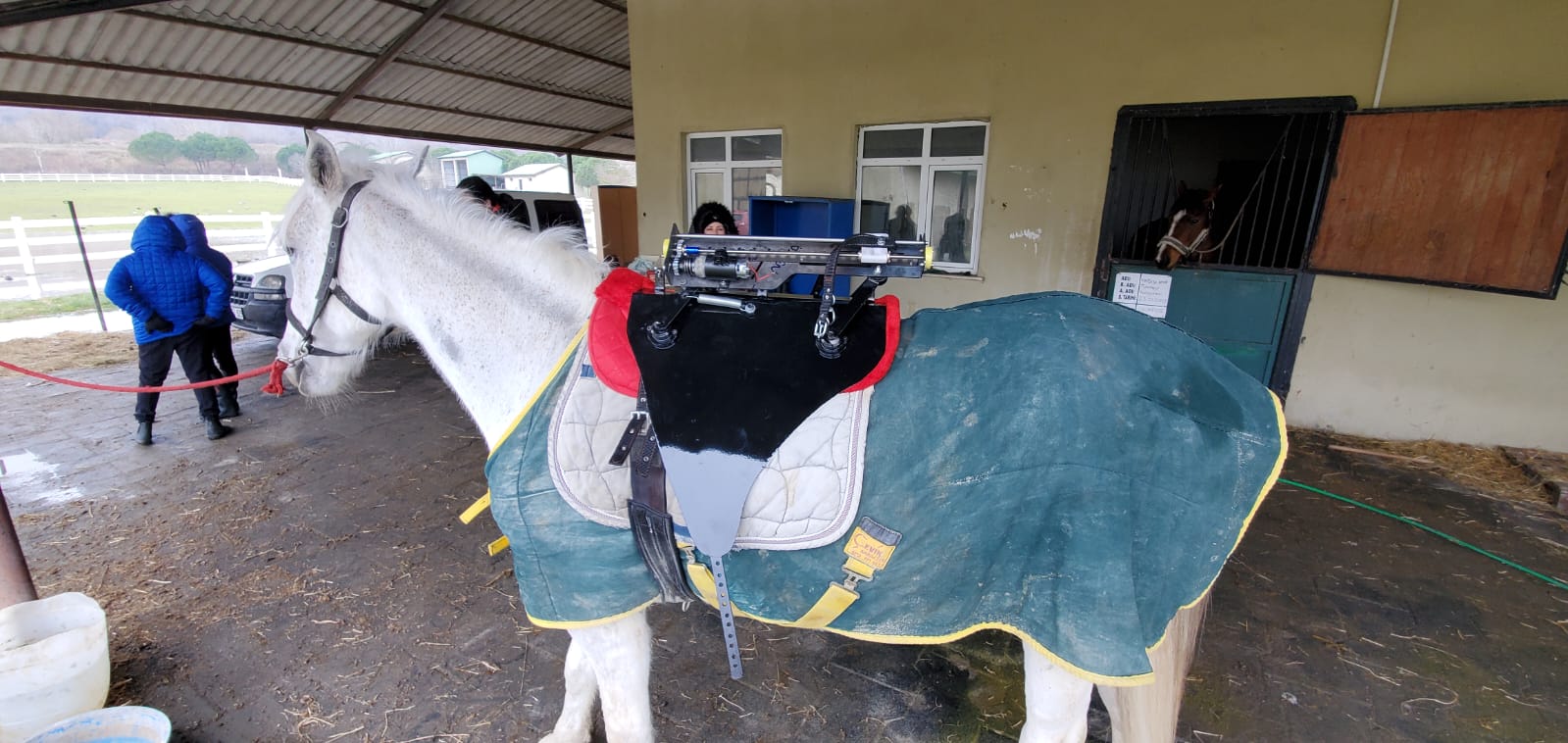
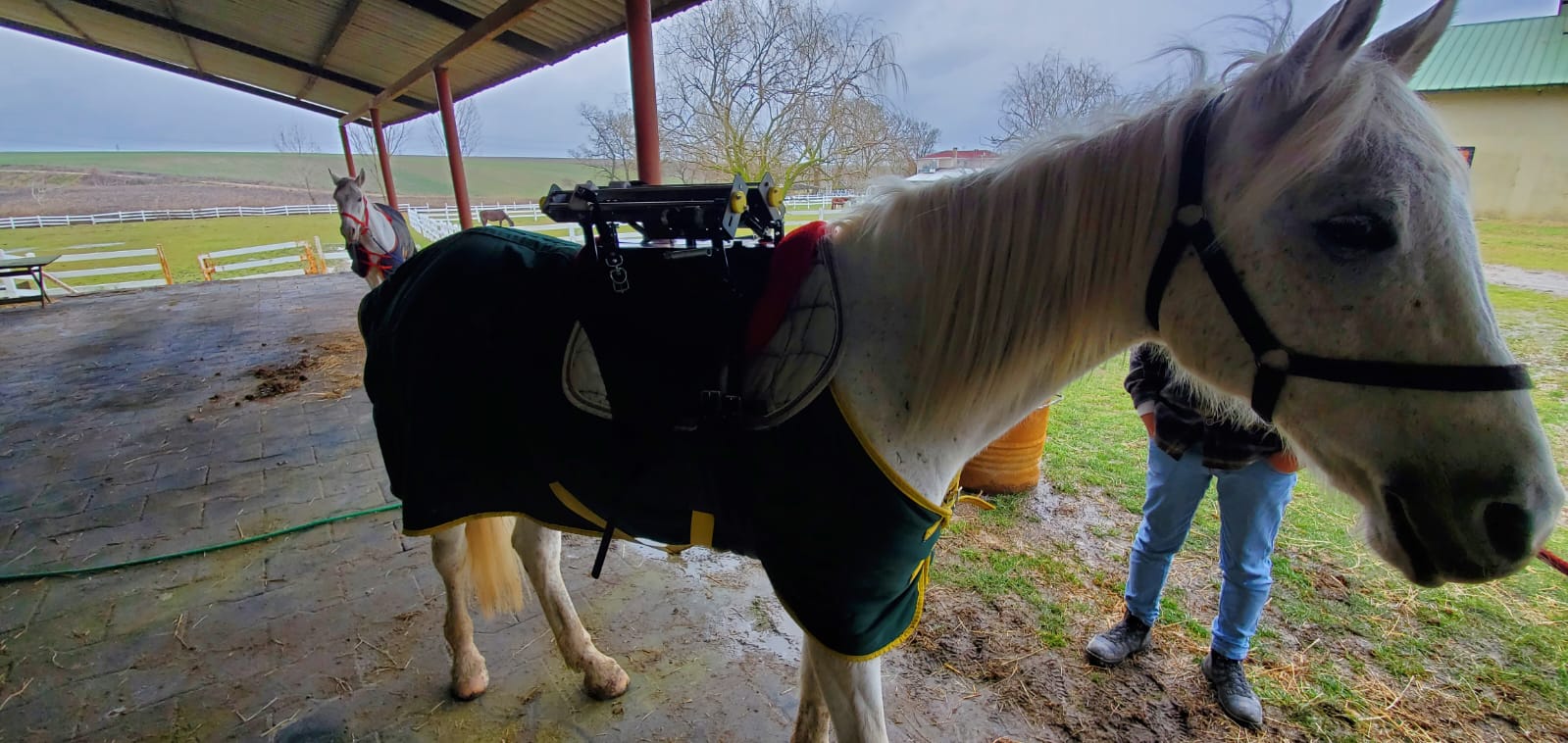
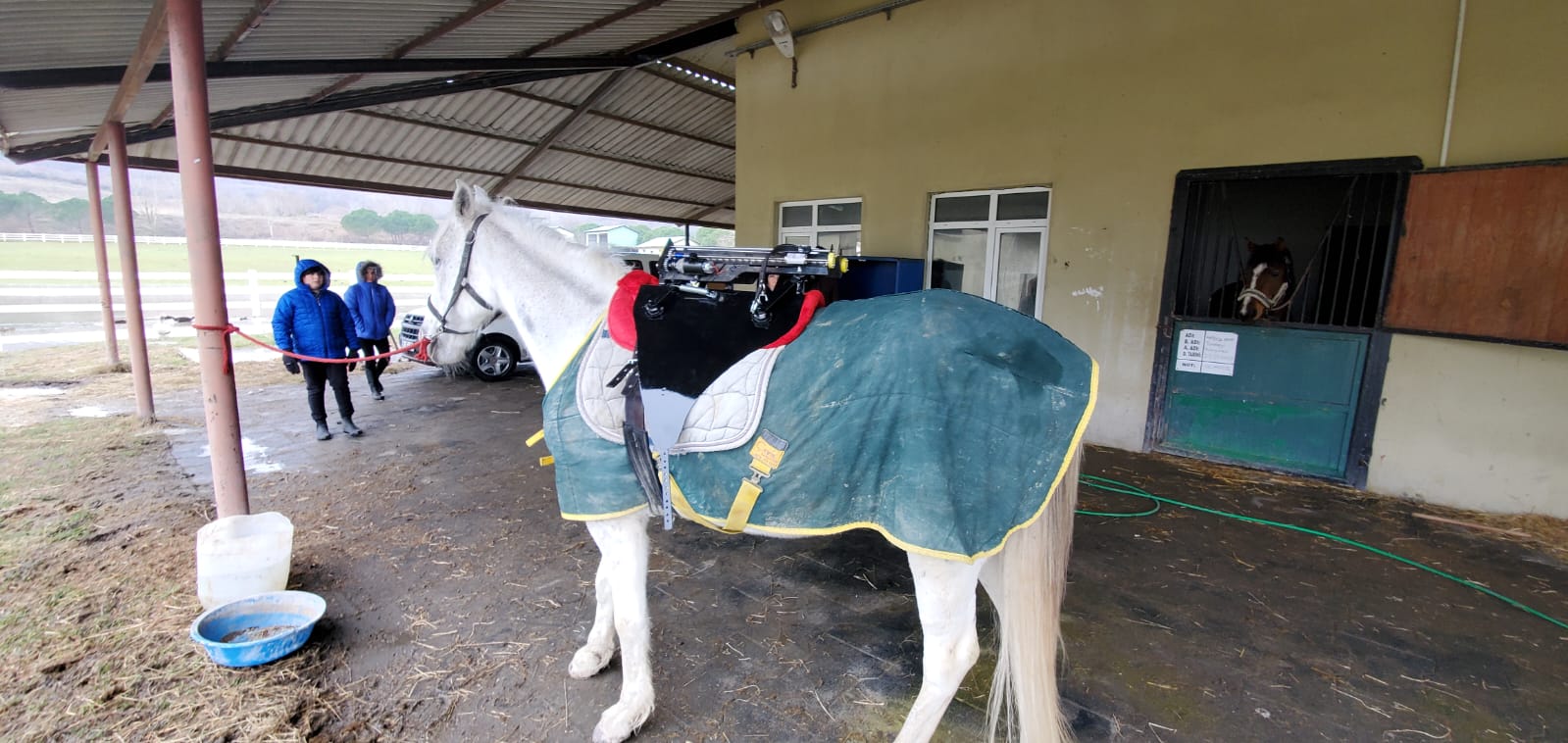
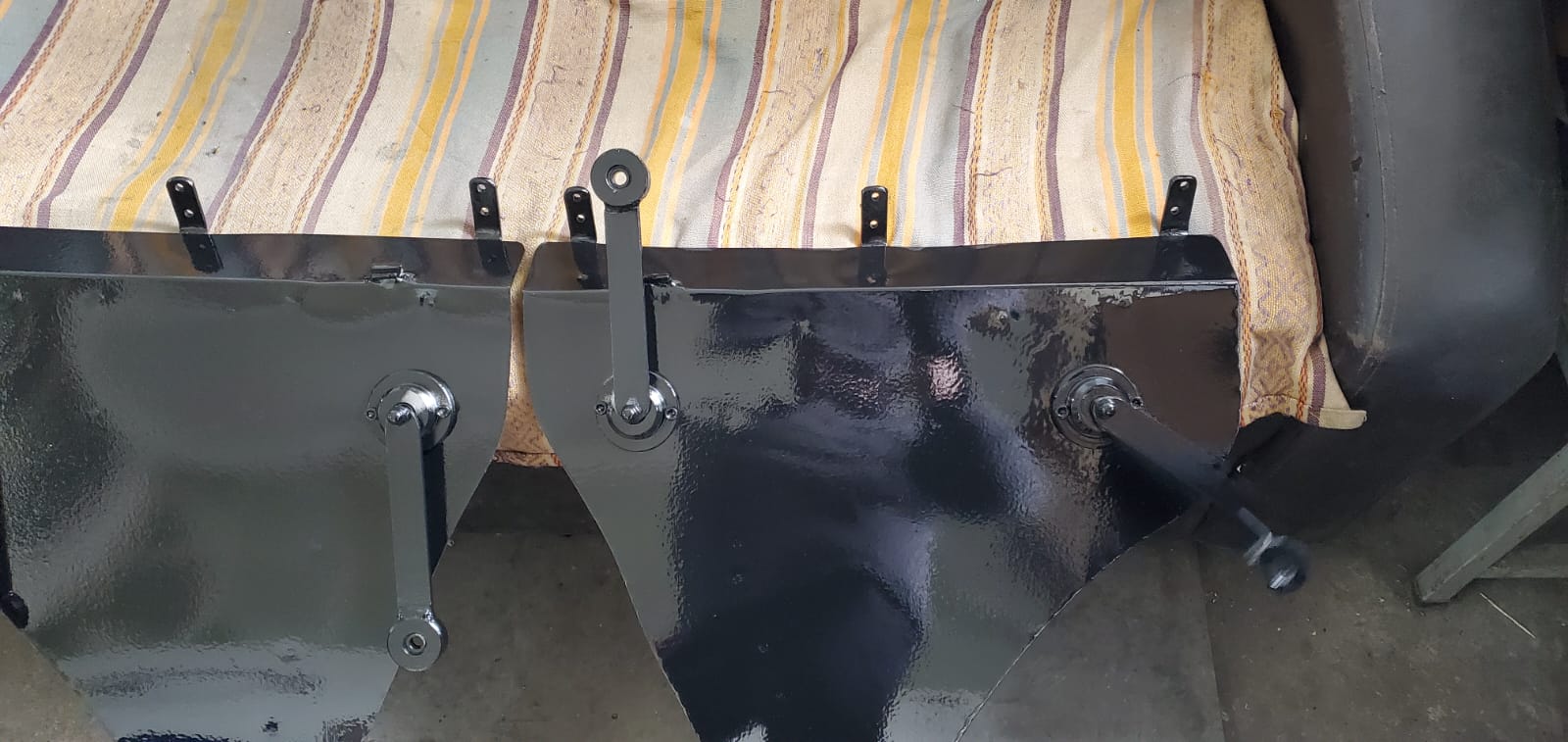
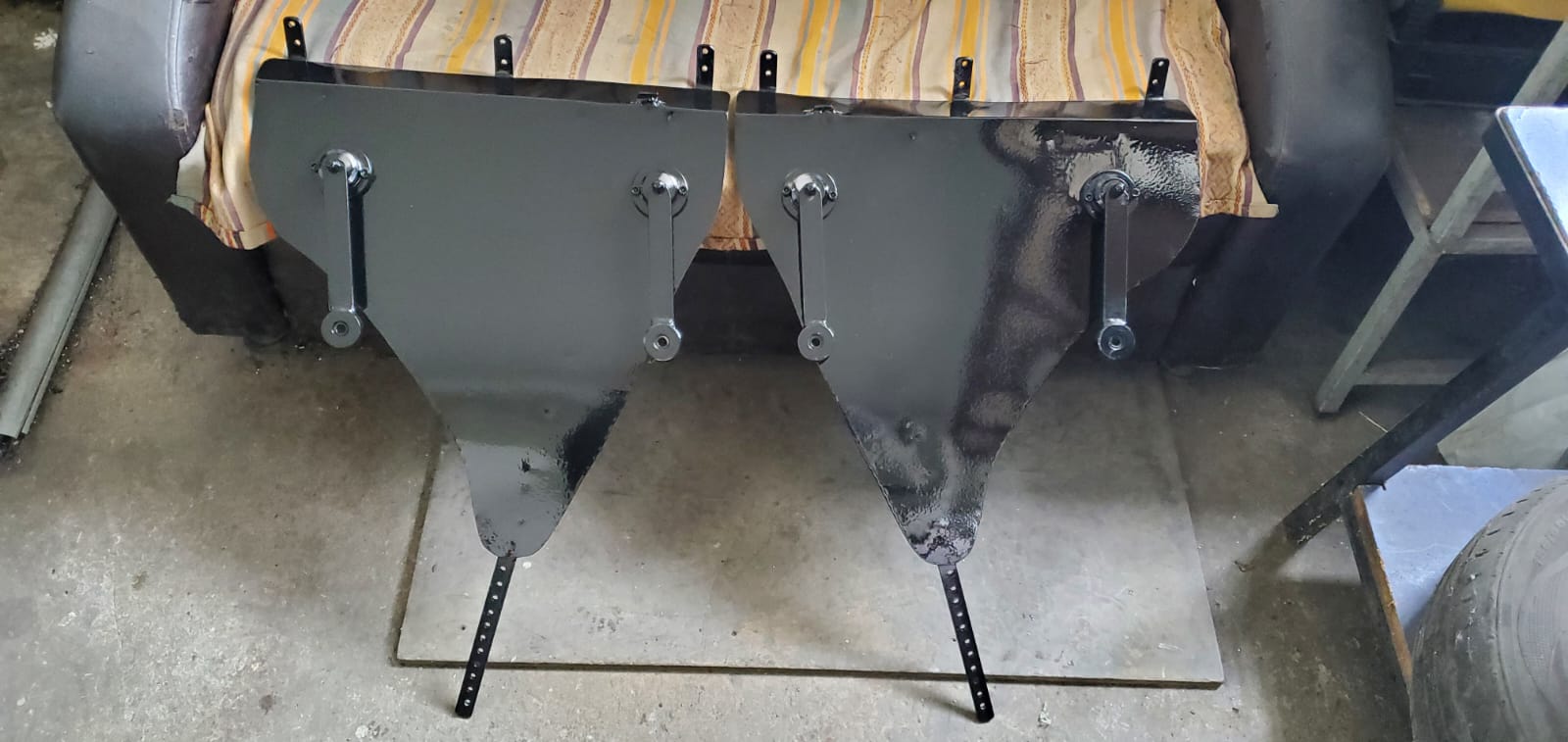
COJOCKEY System Architecture & Azure AI Services Overview
System Components
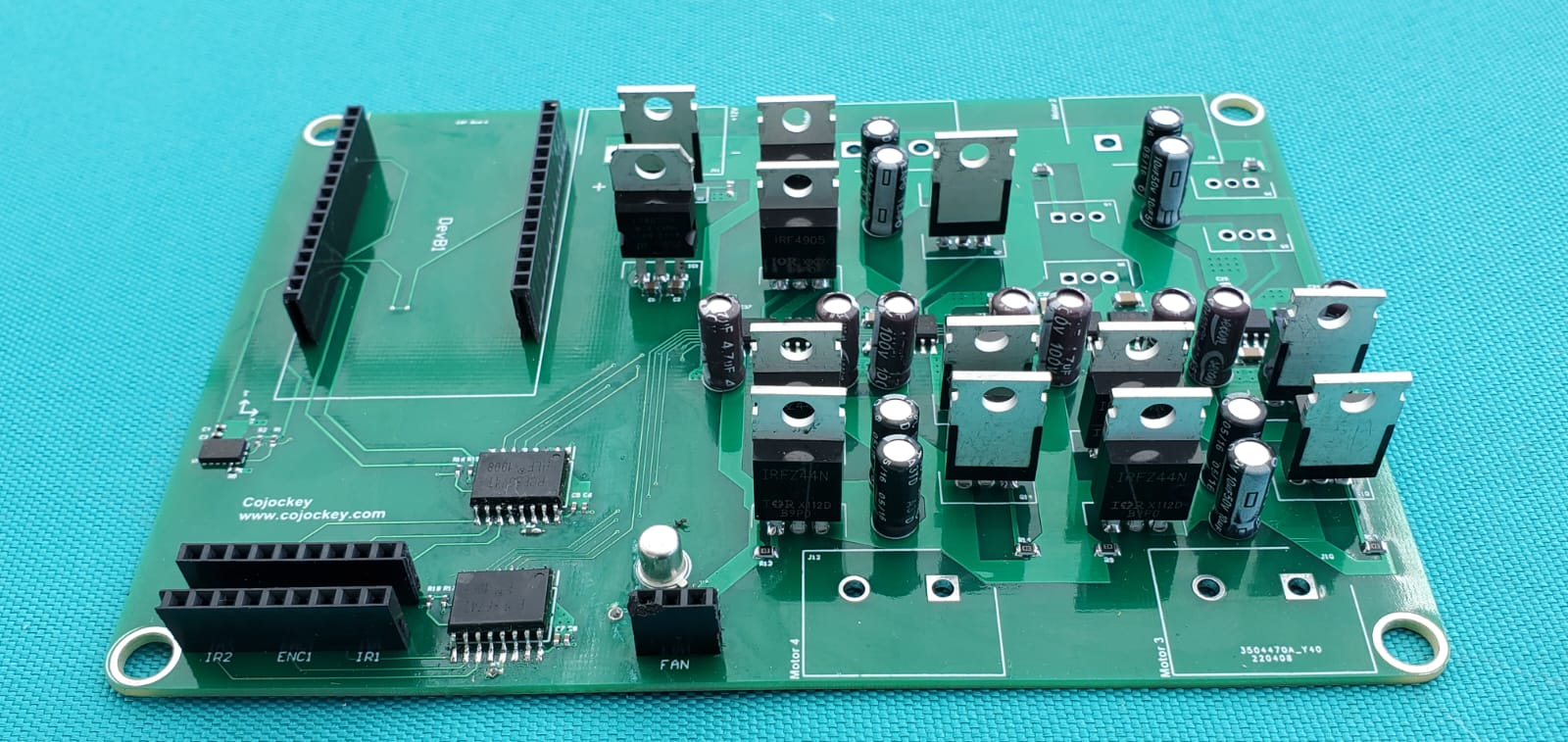
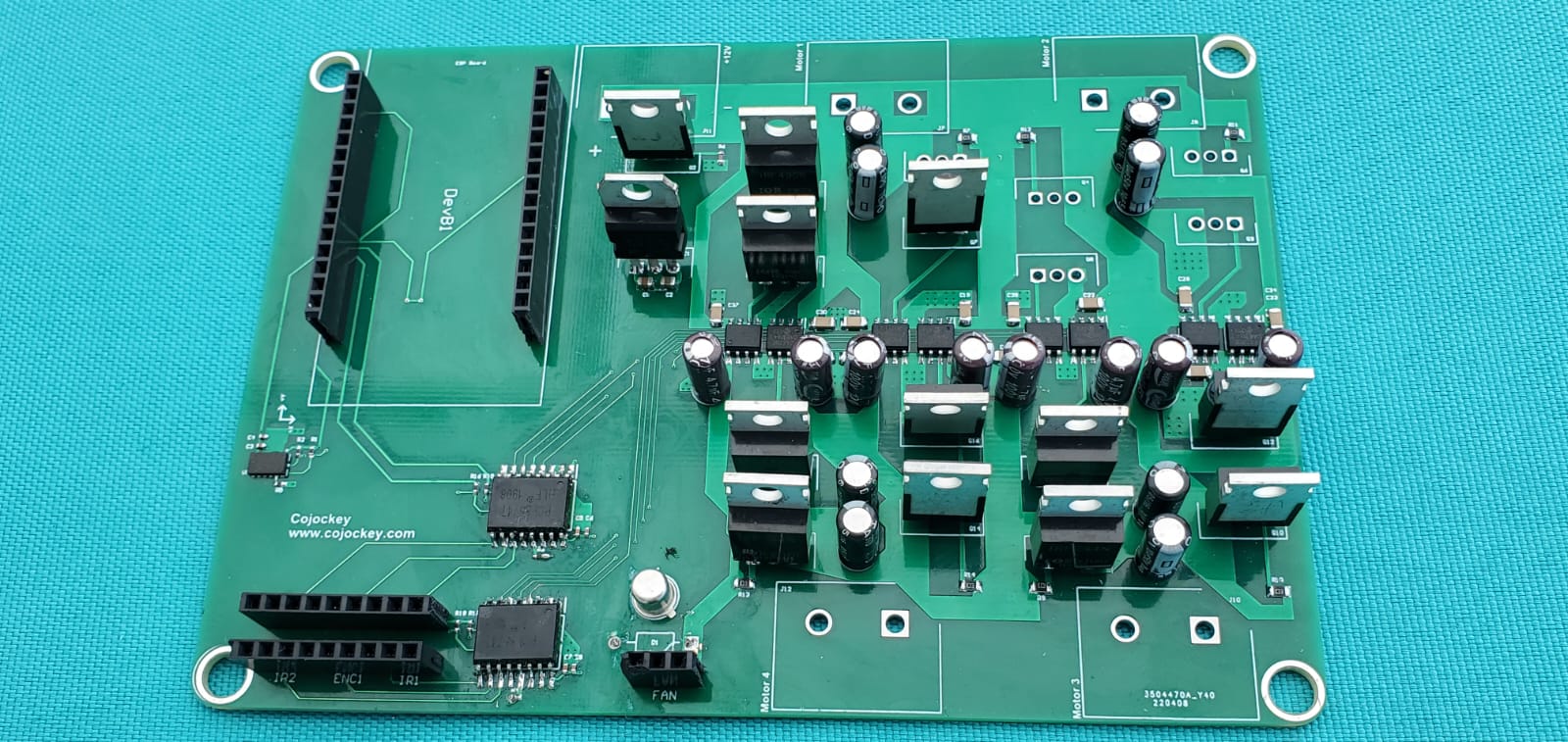
- Robotic Training Device: Interacts with the foal to perform various training exercises.
- Azure AI Services: Provides real-time data processing, machine learning models for behavioral analysis, and adaptive learning algorithms.
- Horse Condition Sensors: Wearable sensors collect biometric and behavioral data such as heart rate, movement, and stress levels.
- Centralized Control Platform: Cloud-based dashboard for monitoring training progress and adjusting training plans.
- Data Storage and Analytics: Azure Data Lakes and Synapse Analytics for storing, visualizing, and analyzing training data.
Components and System Design
3.1 Robotic Training Device
- Function: Executes training exercises such as leading and guiding the foal in a safe manner.
- Sensors Integration: Equipped with proximity, pressure sensors, and movement actuators.
- Connectivity: Connected to Azure via IoT protocols for real-time data transfer.
3.2 Horse Condition Sensors
- Biometric Sensors: Monitors heart rate, respiratory rate, and stress indicators.
- Movement Sensors: Tracks movement patterns, gait, and posture using accelerometers and gyroscopes.
- Environmental Sensors: Monitors temperature, humidity, and noise in the foal’s environment.
- Connectivity: Data transmitted to Azure IoT Hub for real-time processing.
3.3 Azure AI Services Integration
3.3.1 Azure Cognitive Services
- Computer Vision API: Analyzes video feeds to track foal movement and detect anomalies.
- Speech and Language Processing: Optionally used for interpreting trainer commands and providing feedback to the foal.
3.3.2 Azure Machine Learning
- Behavior Prediction Models: Predicts foal behavior and adjusts training intensity based on biometric data.
- Training Personalization: AI algorithms dynamically modify training programs based on foal performance metrics.
3.3.3 Azure IoT Hub
- Data Ingestion: Collects and processes data from sensors and the robotic device.
- Real-time Alerts: Triggers alerts when abnormal patterns (e.g., stress) are detected.
3.3.4 Azure Data Lake and Synapse Analytics
- Data Storage: Long-term storage of training data, biometric readings, and video footage.
- Data Analytics: Processes large datasets to uncover patterns in foal behavior and health.
Event Data Collection and Processing Pipeline
4.1 Data Flow Pipeline
- Sensor Data Collection: Biometric and movement data collected from foal’s wearable sensors.
- Data Ingestion via Azure IoT Hub: Data is streamed in real-time to Azure IoT Hub for processing.
- Real-time Event Processing: Azure Stream Analytics detects abnormal patterns (e.g., stress) and triggers alerts.
- Data Storage and Aggregation: Cleaned data stored in Azure Data Lake and made available via Azure Synapse Analytics.
- AI Model Execution and Feedback Loop: Azure ML models adjust training based on foal performance metrics.
- User Interface and Reporting: Trainers access real-time insights, reports, and visualizations via a cloud-based dashboard.
Horse Industry Market Overview
Key Market Segments
- Horse Breeding Farms: Breeders looking to improve the quality and readiness of their young horses.
- Equestrian Training Facilities: Facilities focused on preparing foals for equestrian sports, dressage, or recreational riding.
- Veterinary Practices: Facilities focused on safe and humane training solutions that prioritize animal welfare.
- Research and Development Centers: Institutions involved in the study of equine behavior and welfare.
Target Market
- Initial Focus: The U.S., U.K., Australia, and European countries with high-value horse breeding and training industries.
- Expansion Potential: Emerging markets in Asia and Latin America as equestrian sports and horse breeding gain popularity.
Market Size and Growth Potential
- Global Horse Industry Value: Over $300 billion (as of 2022).
- Equine Services Market CAGR: Expected to grow at 5.7% annually between 2022 and 2030.
- Labor Reduction Potential: Automation in training could reduce labor costs by 30% to 50% at horse breeding and training facilities.
Market Size and Growth Potential
The Foal Training Using Robotic Devices solution will consist of the following key components:Robotic Handlers: Devices that mimic human touch, enabling consistent physical interaction and guidance during early-stage foal training.
Sensory Feedback Systems: Automated sensory devices that use visual, audio, and tactile stimuli to desensitize foals to various environmental factors and aid in behavioral conditioning.
Adaptive Learning Algorithms: AI-based software to track foal responses and progress, enabling customized training protocols based on individual foal temperament and behavior.
Positive Reinforcement Systems: Automated food or treat dispensers to encourage desirable behavior, integrated into the training routine to ensure consistent, positive reinforcement.
-

• Horse Breeding Farms:
Breeders looking to improve the quality and readiness of their young horses.
-
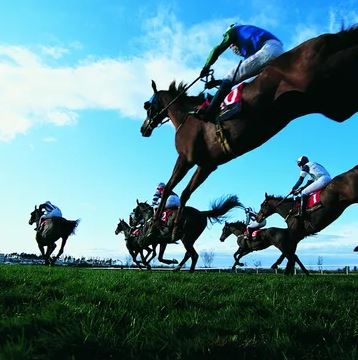
• Equestrian Training Facilities:
Facilities focused on preparing foals for equestrian sports, dressage, or recreational riding.
-
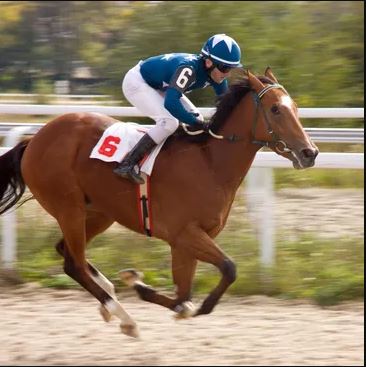
• Veterinary Practices:
Facilities focused on safe and humane training solutions that prioritize animal welfare.
-

• Research and Development Centers:
Institutions involved in the study of equine behavior and welfare.
© Copyright © 2024. CoJockey | All rights reserved.